
The right door lock can play an important role in protecting your home or business. Mortice locks are commonly used on timber doors and can provide a practical security solution when the correct lock is selected and properly fitted.
Easy Picking Locksmith provides Door Security Mortice Locks Leeds services for homeowners, landlords, tenants and businesses. Whether you need a new mortice lock, an existing lock repaired or a security upgrade for your door, we can assess the current setup and explain suitable options.
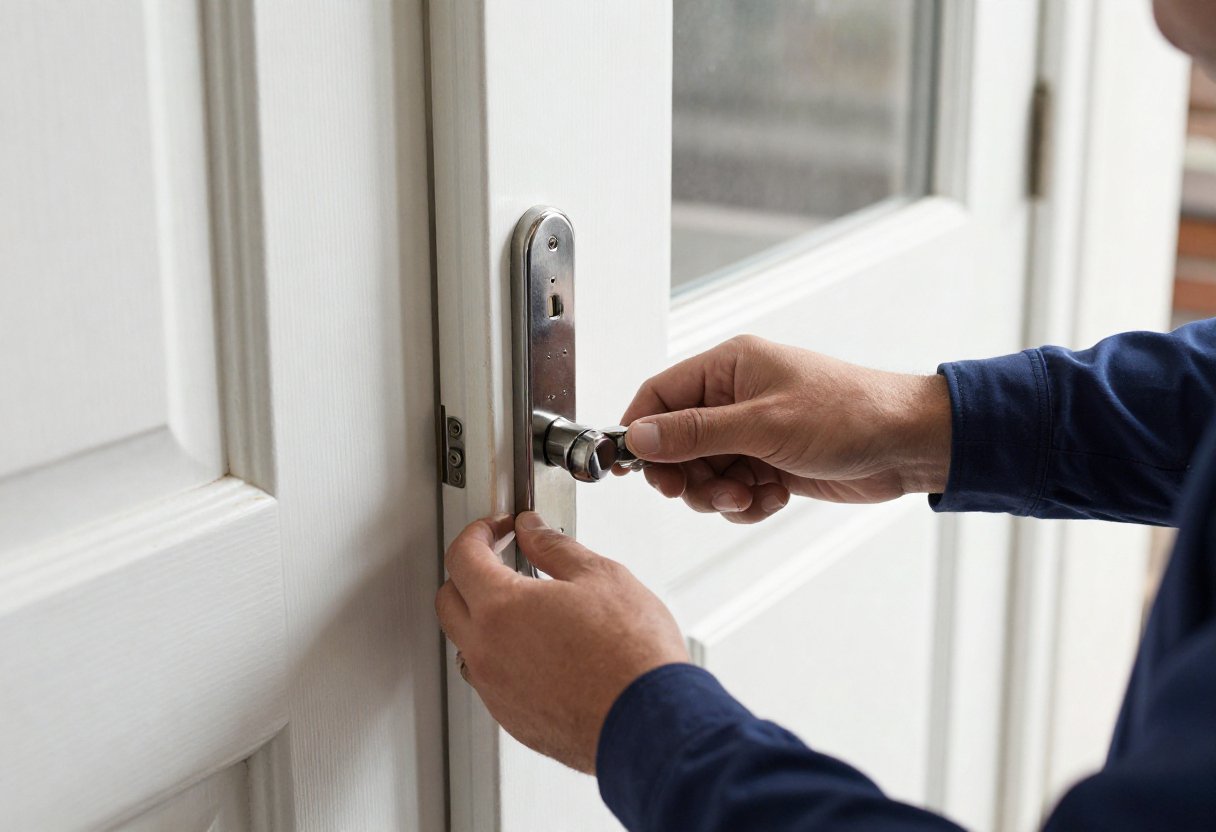

A mortice lock is fitted into a recess, or mortice, cut into the edge of a door. Unlike surface-mounted locks, much of the lock mechanism sits inside the door itself.
Mortice locks are commonly found on timber residential and commercial doors. Different types are available depending on how the door is used and the level of security required.
Common examples include:
✓Mortice deadlocks
✓Mortice sashlocks
✓Five-lever mortice locks
✓British Standard mortice locks
✓Bathroom and privacy mortice locks
✓Commercial mortice locks
The correct lock depends on the door, existing hardware, intended use and security requirements.
Installing a mortice lock correctly is important for both security and everyday operation. The lock needs to be suitable for the door and fitted so that the latch or deadbolt engages correctly with the frame.
Before installation, the existing door and locking arrangement should be assessed. This helps determine the appropriate lock type and size.
Mortice lock installation can be suitable for:
✓Front and back timber doors
✓Internal residential doors
✓Rental properties
✓Offices
✓Shops
✓Commercial premises
✓Managed properties
A correctly fitted lock should operate smoothly without requiring excessive force on the key, handle or door.
Some external timber doors may benefit from a British Standard mortice lock where a higher level of security is required.
BS3621 is a recognized British Standard for thief-resistant locks that incorporate a deadbolt and are designed for use on suitable doors. However, the specific requirements of a property or insurance policy should always be checked before selecting a lock.
If you are unsure whether your current lock meets the requirements of your insurance policy, check the policy wording or speak directly with your insurer.
A locksmith can also inspect the existing lock and explain what type of replacement may be suitable.
A mortice lock may eventually need replacing because of wear, mechanical failure, damage or changing security requirements.
Signs that your lock may require attention include:
✓The key is difficult to turn
✓The deadbolt does not move correctly
✓The latch is sticking
✓The door is difficult to secure
✓The lock feels loose
✓The key becomes stuck
✓The mechanism makes unusual noises
✓The lock has visible damage
Replacing a faulty lock can restore reliable operation and may provide an opportunity to upgrade the security of the door.
Not every faulty mortice lock needs to be replaced. Depending on the problem, repair or adjustment may be possible.
A locksmith can inspect the mechanism and identify whether the issue relates to the lock, door alignment, handles, hinges or strike plate.
If the lock itself has failed or is significantly worn, replacement may provide a more suitable long-term solution.
Avoid forcing a stiff key or handle because excessive pressure can make an existing problem worse.
Mortice locks are particularly common on wooden doors because the locking mechanism can be installed inside the door.
For external timber doors, the choice of lock should take account of the door construction, frame, existing hardware and security requirements.
For internal doors, the requirements may be different. A privacy or sashlock may be appropriate where the main purpose is controlling access rather than providing high-security external protection.
The most suitable option depends on how the door is used.
Mortice sashlocks and deadlocks are designed for different purposes.
A mortice deadlock generally uses a key-operated deadbolt and is often used where secure locking is required.
A mortice sashlock normally combines a latch operated by a handle with a deadbolt operated by a key.
This means a sashlock can provide both everyday door operation and key-operated locking, while a deadlock focuses primarily on securing the door.
If you are unsure which type is suitable, a locksmith can assess the door and existing hardware before recommending an appropriate option.
Replacing an old mortice lock can be one part of a wider door security review.
Other factors that can affect door security include:
✓Condition of the door
✓Door frame strength
✓Hinges
✓Strike plate
✓Handles
✓Lock installation
✓Existing keys
✓Additional locking points
✓Overall condition of the entry door
A strong lock cannot compensate for every weakness in a poorly maintained door or frame. For this reason, looking at the complete door setup can be useful when improving security.
Landlords may need to replace or upgrade mortice locks when tenants change, keys are lost or existing locks become worn.
Changing the lock between tenancies can help ensure that access is controlled by the current occupants and authorised parties.
Landlords should also make sure that replacement locks are appropriate for the property's doors and any applicable insurance or tenancy requirements.
Tenants should normally contact their landlord or property manager before making permanent changes to locks unless there is an urgent security issue.
Mortice locks can also be used on commercial timber doors, offices, shops and other business premises.
Commercial properties may require different access arrangements depending on staff, visitors and restricted areas.
A locksmith can help with:
✓Commercial mortice lock replacement
✓Lock repairs
✓Security upgrades
✓Key changes
✓Faulty lock diagnosis
✓External door locks
✓Internal restricted-access doors
For businesses with multiple access points, the locking system should be considered as part of the property's overall access requirements.
A burglary or attempted break-in can damage a mortice lock, door or frame.
If your lock has been forced, drilled or otherwise damaged, avoid continuing to use it if it cannot secure the door properly.
A locksmith can inspect the affected area and determine whether the lock can be repaired or should be replaced.
Where additional damage has affected the door or frame, other building repairs may also be necessary.
The cost of a mortice lock service depends on the type of lock, door and work required.
Factors that can affect the price include:
✓Type of mortice lock
✓British Standard requirements
✓Door construction
✓Existing lock condition
✓Installation complexity
✓Replacement parts
✓Emergency attendance
✓Additional security hardware
A straightforward lock replacement will generally involve different work from installing a new locking system into a door that has not previously had a mortice lock.
For an accurate cost, the lock and door requirements should be assessed before the work is carried out.
Choosing a mortice lock should not be based on price alone. Consider how the door is used and what level of security is required.
Before choosing a lock, consider:
1Is the door internal or external?
2Is the door made from timber or another material?
3Does the door already have a mortice lock?
4Does your insurance policy specify a particular standard?
5Does the door need a deadlock or sashlock?
6How frequently is the door used?
7Are there existing security weaknesses around the door?
A professional assessment can help identify a suitable option without replacing hardware unnecessarily.
Easy Picking Locksmith provides locksmith assistance across Leeds and surrounding areas, subject to availability.
Our service can be relevant to homeowners, landlords, tenants and businesses in areas including Pudsey, Alwoodley, Armley, Cookridge and Cross Gates, as well as other parts of Leeds.
Whether you need a replacement mortice lock, repair or security upgrade, the right solution depends on your property's existing door and locking system.
A mortice lock is a lock mechanism fitted into a recess within the edge of a door. It is commonly used on timber doors and is available in different designs for residential and commercial applications.
Yes, suitable mortice locks can be used on external timber doors. The lock should be appropriate for the door and security requirements, and any insurance requirements should also be considered.
BS3621 is a British Standard covering thief-resistant mechanically operated locks that include a deadbolt. If your insurance policy specifies BS3621, check the policy requirements and make sure the appropriate certified lock is installed.
A mortice deadlock primarily provides key-operated locking with a deadbolt. A sashlock combines a latch operated by a handle with a deadbolt operated by a key.
Sometimes. A locksmith can inspect the mechanism and determine whether repair or adjustment is practical. A badly worn or damaged lock may need to be replaced.
Replacement may be worth considering if the lock is damaged, difficult to operate, worn or no longer suitable for the property's security requirements.
Yes. Mortice locks can be used on suitable commercial doors, including offices, shops and other business premises. The appropriate lock depends on the door and access requirements.
Yes. A locksmith can assess the existing lock and related door hardware and explain suitable security upgrade options.
The correct lock depends on factors such as the door type, lock dimensions, intended use, existing hardware and security requirements. A locksmith can assess these factors before recommending a suitable replacement.
A suitable mortice lock can provide dependable security when it is correctly selected and fitted to the door. If your existing lock is damaged, worn or no longer meets your requirements, professional advice can help you identify the appropriate solution.
Easy Picking Locksmith provides mortice lock repairs, replacements and door security assistance across Leeds. Contact us to discuss your lock requirements and arrange a suitable service for your property.


